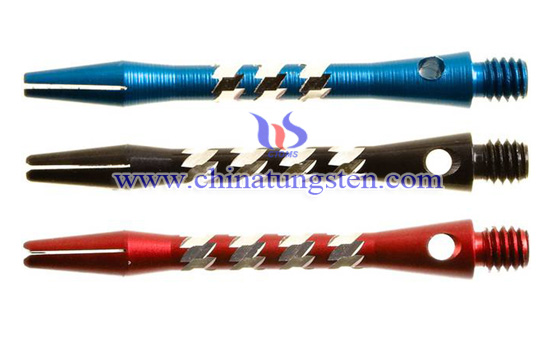
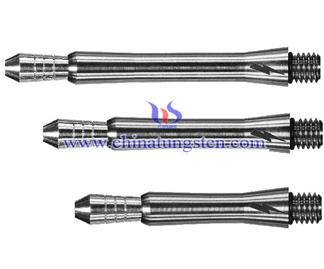
Dart accessories shafts (also commonly referred to as dart stems) are basically the section of the dart that connects to the barrel of the dart and holds the flight. As with the other parts of the dart, they also come in different shapes and sizes.
For example you can buy really short dart accessories shafts that create a small and compact dart, or you can use full-length shafts that may give you a little more control.
You can also choose from different materials. For instance you can choose the more expensive metal tungsten dart shafts, which will generally last the longest, or you can choose a plastic or nylon shaft which look better and are a little cheaper, but are also prone to breaking.
If you are a decent player you may also want to invest in some spinning dart shafts. These dart accessories shafts help your scoring because when a dart comes into contact with another dart, the shaft spins, helping it to enter it's target. Dart accessories shafts also help protect your flights.
Like flights, dart accessories shafts come in a vast variety of lengths, materials and colors.
The most popular dart accessories shafts' lengths: Medium: 2"; Short:1-1/2"; Extra Short:1-1/4" and Micro: 3/4"
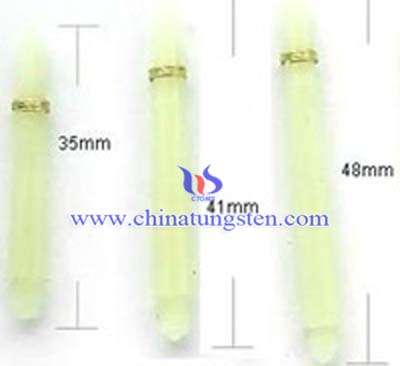 |
Nylon dart shafts are cheap, so when anything breaks replacement is not too expensive. A bad problem is that nylon shafts tend to break at the thread when dropped. |
Aluminum dart shafts are more expensive than nylon, but also last longer.You won't face the problem with darts breaking at the thread. But aluminum darts tend to bend when dropped, and it is quite difficult to bend them into right shape later. Aluminum dart shafts are heavier than nylon dart shafts, which can lead to problems in flight tuning. |
 |
|
Titanium dart shafts like these are the latest development in shafts technology. They have all advantages of aluminum darts, but don't bend that easy. But they are also the most expensive dart shafts. |

Related Products
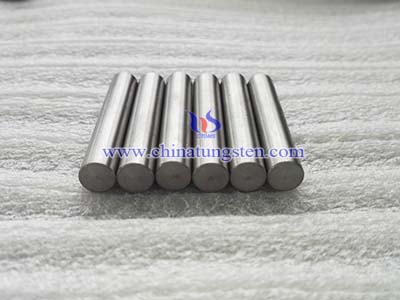
Tungsten Dart Billets
Tungsten dart billets are the rods used for making dart barrels.Today's standard material for barrel is tungsten heavy alloy, and barrel forms the main part of a dart (mainly used in sports).
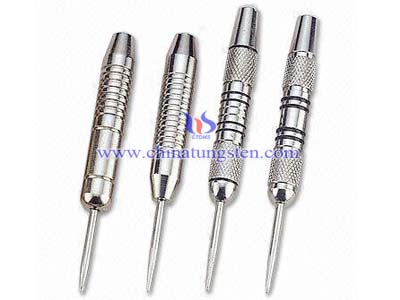
Tungsten Dart Barrel
The most crucial comprises of dart is the barrel. This is the part of the dart you grip when you throw and it also gives the dart its weight. The shape of the barrel will vary depending on where the weight is concentrated.
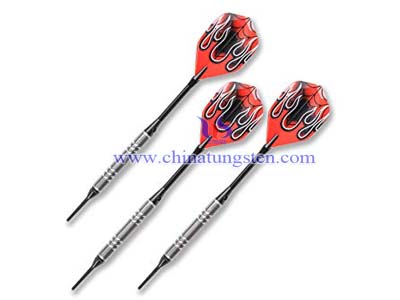
Tungsten Dart
Tungsten is a very dense material, so darts with a considerable bulk can be made quite slim. The invention of tungsten darts had a big impact on the sport. With the new darts it was possible to achieve much better grouping than before, and the averages in pro games have improved dramatically.
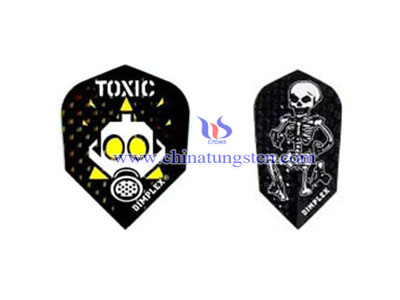
Dart Flight
Dart flight is the fins or wings found at the back of a dart, which stabilize the dart during flight and are made of various materials. It is not generate lift, airplane wings generate lift by means of their curved shape, whereas dart flight is flat. They only resist motion away from the centerline of the dart.
